Temporary accommodation providers
For hostels, shared accommodation, self-contained units and high-turnover rooms.
 Need an urgent specialist clean? Contact our emergency response team.

Property turnaround / Sensitive residential
A privacy-aware temporary accommodation cleaning service for providers managing fast-moving occupancy and sensitive residential settings.
Respectful cleaning for hostels, shared accommodation, self-contained units and temporary accommodation settings.
Enhanced property-turnaround service
Planned, recurring or turnaround attendance around occupancy, access and resident sensitivity.

Service overview
A privacy-aware temporary accommodation cleaning service for providers managing fast-moving occupancy and sensitive residential settings.
Temporary accommodation cleaning often combines property-turnaround pressure with the sensitivity of occupied residential environments. A site may include shared kitchens, bathrooms, lounges, corridors, newly vacated rooms, vulnerable residents, support staff, tenancy teams and urgent placement deadlines.
Shinezone scopes each request around occupancy, access, resident disruption, privacy, security, shared facilities, waste, safeguarding escalation and the condition of each unit or communal area. The aim is to clean the property environment without collecting unnecessary personal information about residents.
The service does not provide regulated care, support work or tenancy enforcement. Where immediate danger, safeguarding concerns, suspected substances, sharps or bodily fluids are present, the issue is escalated through the appropriate client or specialist route.
Clients
For hostels, shared accommodation, self-contained units and high-turnover rooms.
For accommodation where accountability, resident sensitivity and reporting are important.
For vacant-room turnaround, communal cleaning and newly acquired property preparation.
For cleaning that must be coordinated around resident welfare and operational routines.
Properties
Shared kitchens, bathrooms, corridors, lounges and resident-adjacent areas.
Individual flats or rooms requiring pre-occupation, post-occupation or periodic cleaning.
Properties needing a condition review before being brought into use.
Shared spaces where staff, residents and visitors may be present.
Common scenarios
These examples help separate planned cleaning from priority, urgent and specialist-review situations.
Urgency: priority
A room or unit needs cleaning before a new placement or occupancy.
Confirm vacancy, belongings, utilities, deadline, photographs and access contact.
Urgency: planned
Shared kitchens, bathrooms or corridors require cleaning while residents remain on site.
Provide occupancy information, preferred working times, support-team contact and disruption limits.
Urgency: urgent
Cleaning is requested after reports of contamination, overnight-stay concerns, damage or welfare issues.
Disclose the property risk only as needed for cleaning and escalate safeguarding matters through the client route.
Intended outcomes
Communal kitchens, bathrooms, corridors and lounges are restored to an agreed standard.
Work is planned around occupancy, privacy and support-team routines where possible.
Vacant rooms or units are cleaned against a defined handover scope.
Safeguarding, hazards, unauthorised occupancy observations or site-security concerns can be reported.
Detailed scope
The exact task list is confirmed in the quotation. Scope groups make it clear which areas, surfaces and reporting items are included.
High-use facilities cleaned with attention to hygiene and resident access.
Resident-adjacent shared spaces planned to limit disruption.
Room cleaning after vacancy or before occupation.
Observations relevant to the property environment are escalated appropriately.
Work is planned around whether rooms and shared areas are occupied, vacant or partly occupied.
Staff are expected to respect privacy and professional boundaries.
Shared spaces and vacant units can be combined or separated in the quotation.
Property concerns, hazards and support-team issues can be reported through agreed routes.
Short-deadline room cleaning subject to access and operational acceptance.
Priced separately where required
Planned deep-cleaning of shared kitchens, bathrooms or communal areas.
Priced separately where required
Machine cleaning or floor treatment where surfaces are suitable.
Priced separately where required
Biohazard, sharps or contamination work requires separate specialist triage.
Priced separately where required
Planned cleaning of shared accommodation areas.
One-off cleaning of rooms or units between occupancies.
Priced separately where required
Short-notice attendance subject to risk and capacity review.
Priced separately where required
Operational process
The process keeps quotation, access, risk, mobilisation, completion and handover decisions visible.
The client describes the temporary accommodation cleaning requirement, property, location and required outcome.
Client: Provide the core site details, preferred dates and known hazards.
Shinezone: Create the enquiry record and identify missing information.
Access, occupancy, property condition, utilities and deadline constraints are reviewed.
Shinezone: Decide whether photographs, a site survey or further client clarification are needed.
Known hazards, specialist requirements and staffing competence are checked before acceptance.
Shinezone: Confirm whether the work can proceed as planned or needs specialist triage.
The proposed scope, assumptions, exclusions and reporting expectations are confirmed.
Evidence: Written quotation, Defined scope
The work is scheduled once access, staff, equipment and operational capacity are confirmed.
Client: Keep the site contact available for access or change decisions.
Shinezone: Allocate people, equipment, PPE and briefing information.
The team attends, confirms access and completes a dynamic site check before starting.
Evidence: Arrival note where required, Dynamic risk check where required
The agreed work is completed and unexpected hazards, defects or exclusions are escalated.
Shinezone: Pause or vary work only where the risk review and client authority allow it.
The completed areas are reviewed against the agreed outcome and handover evidence is produced.
Evidence: Completion checklist, Photographs where agreed, Exception notes where required
Preparing for attendance
Complete information helps Shinezone decide the right service route, people, equipment and reporting requirements.
Full site address, postcode and any building or block reference.
Rooms, floors, blocks, square metre estimate or other size indicator.
Confirm whether residents, staff, visitors or contractors may be present.
Images help Shinezone assess condition, access, waste and likely equipment needs.
Sharps, bodily fluids, suspected substances, pests, mould, broken glass, damage or utilities issues.
Keys, fobs, alarm instructions, concierge arrangements, parking and permitted working times.
Any inspection, handover, occupancy or operational deadline connected to the request.
Confirm whether checklists, photographs, waste notes or sign-off evidence are required.
The requester must be authorised to approve access, cleaning scope and any disposal decisions.
Keys, fobs, alarms and lock-up instructions should be agreed before attendance.
New hazards, occupancy changes, access issues or scope changes should be communicated promptly.
Advise whether water, electricity and lighting are available and safe to use.
Shinezone relies on the client to disclose known hazards, restrictions and property conditions.
Personal belongings, confidential papers, valuables and items not intended for disposal must be identified.
An authorised contact should be available for access, exclusions, hazards and sign-off decisions.
Additional rooms, specialist hazards, waste or out-of-scope tasks may require revised approval.
An authorised contact should be available for occupancy, access and resident-sensitive decisions.
Controls
Controls are matched to the task, site condition, occupancy and known hazards.
The team reviews the actual condition of the site before starting and escalates material changes.
Related policyCleaning products are selected, diluted, used and stored according to the relevant assessment.
Related policyWork is sequenced to reduce slip risk, with warning signage and controlled access where needed.
Related policyHeavy, awkward or contaminated items are assessed before movement.
Related policyAccess, keys, alarms, lock-up and property boundaries are confirmed before work begins.
Related policyOperatives may stop and escalate when conditions exceed the agreed scope or controls.
Related policyConcerns are reported through the agreed client route; cleaning staff do not investigate.
Related policyOnly property, access and risk information needed for the clean should be shared.
Related policyNeedles, blades and drug-related items are managed only through specialist controls.
Related policyViolence, medical emergencies or criminal activity must be directed to the appropriate emergency service.
Bodily fluids require assessment before cleaning method, PPE and waste route are selected.
People and competence
Shinezone avoids universal competence claims. The service route determines the briefing, supervision, method and escalation controls required.
Staff receive the agreed scope, access notes, hazards and expected output before attendance.
Operatives are matched to tasks they understand and can complete safely.
Products may be used only by people who understand the relevant product controls.
Staff must know when to pause work and refer hazards, defects, access issues or client changes.
Staff understand that they provide cleaning only and should avoid support, care or tenancy decisions.
Equipment
Used to separate kitchens, bathrooms and general areas.
Selected for rooms, corridors and communal areas.
Selected according to surfaces, hygiene needs and COSHH controls.
Used only for waste included in the accepted cleaning scope.
PPE
Selected according to cleaning product, task and contamination risk.
Aprons, coveralls or additional clothing are used where splash, dust or contamination risk requires it.
Used where task, access, floor or waste conditions require foot protection.
Additional PPE is selected only where the risk assessment identifies a need.
Quality assurance
Completion evidence is agreed before attendance so clients know what will be recorded, supplied and escalated.
The expected outcome is defined before work starts so the team and client share the same standard.
The agreed scope is translated into a practical completion checklist.
Higher-risk, larger or sensitive work may be reviewed by a supervisor or responsible manager.
Missed items, defects and concerns are recorded and reviewed for rectification where appropriate.
Reports focus on property condition, access and risk rather than unnecessary personal details.
standard
Scope, assumptions, exclusions, optional items and pricing basis are confirmed before acceptance.
standard
Records the agreed tasks completed and any relevant exceptions.
where agreed
Before-and-after images can be supplied where agreed, lawful and proportionate.
where required
Waste routes, exclusions, defects or additional risks can be documented where required.
Environmental controls
Products are selected and diluted according to task need, surface suitability and safety controls.
The minimum effective water quantity is used while maintaining safe cleaning outcomes.
Reusable cloths and equipment are used where they can be cleaned or decontaminated safely.
Scheduling seeks to reduce avoidable journeys where practical and compatible with client need.
Waste controls
Items in occupied accommodation are removed only when authority is clear.
Ordinary waste is handled according to the agreed site rules.
Sharps and bodily-fluid waste are not mixed with ordinary waste.
Possessions are escalated to the accommodation team rather than removed by default.
Quotation factors
Shinezone does not publish invented prices. Quotations are shaped by property, condition, access, risk and evidence requirements.
Occupied, vacant and partly occupied areas require different planning.
Kitchens, bathrooms, lounges and corridors add scope and frequency considerations.
Urgent placement or inspection deadlines affect mobilisation.
Working hours, liaison and privacy requirements may affect service delivery.
Sharps, bodily fluids, waste or belongings require separate review.
Exclusions
Clear exclusions protect the client, site users and cleaning team from unsafe assumptions.
Shinezone provides property cleaning and does not provide regulated personal care, medication support or tenancy support.
Care or support needs must remain with the responsible provider.
Shinezone does not require resident diagnoses, medical history or private personal details for cleaning.
Only property, access and risk information relevant to cleaning should be shared.
Resident possessions are not removed or rearranged without clear client authority.
Belonging or tenancy concerns should be handled by the responsible accommodation team.
Service imagery
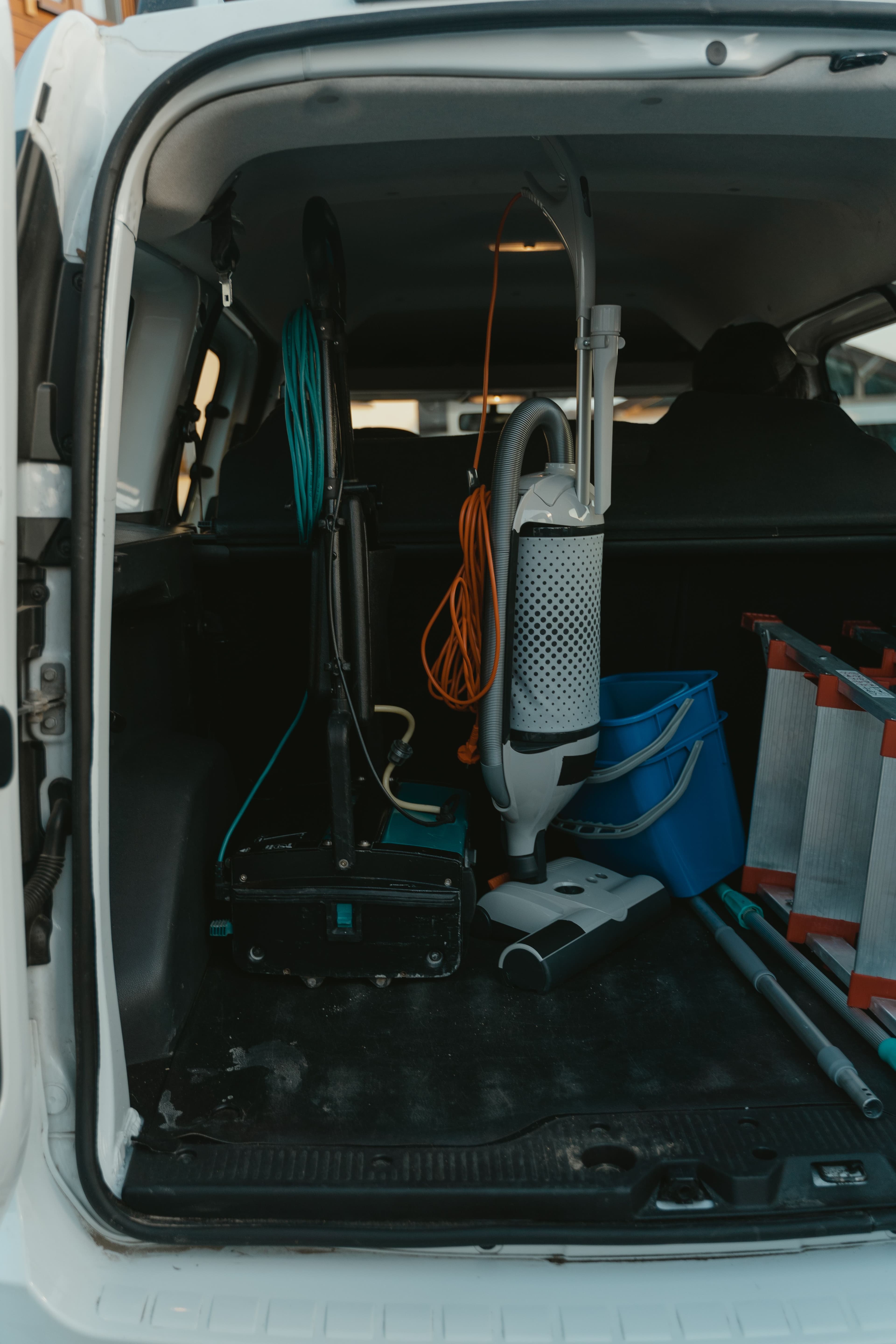
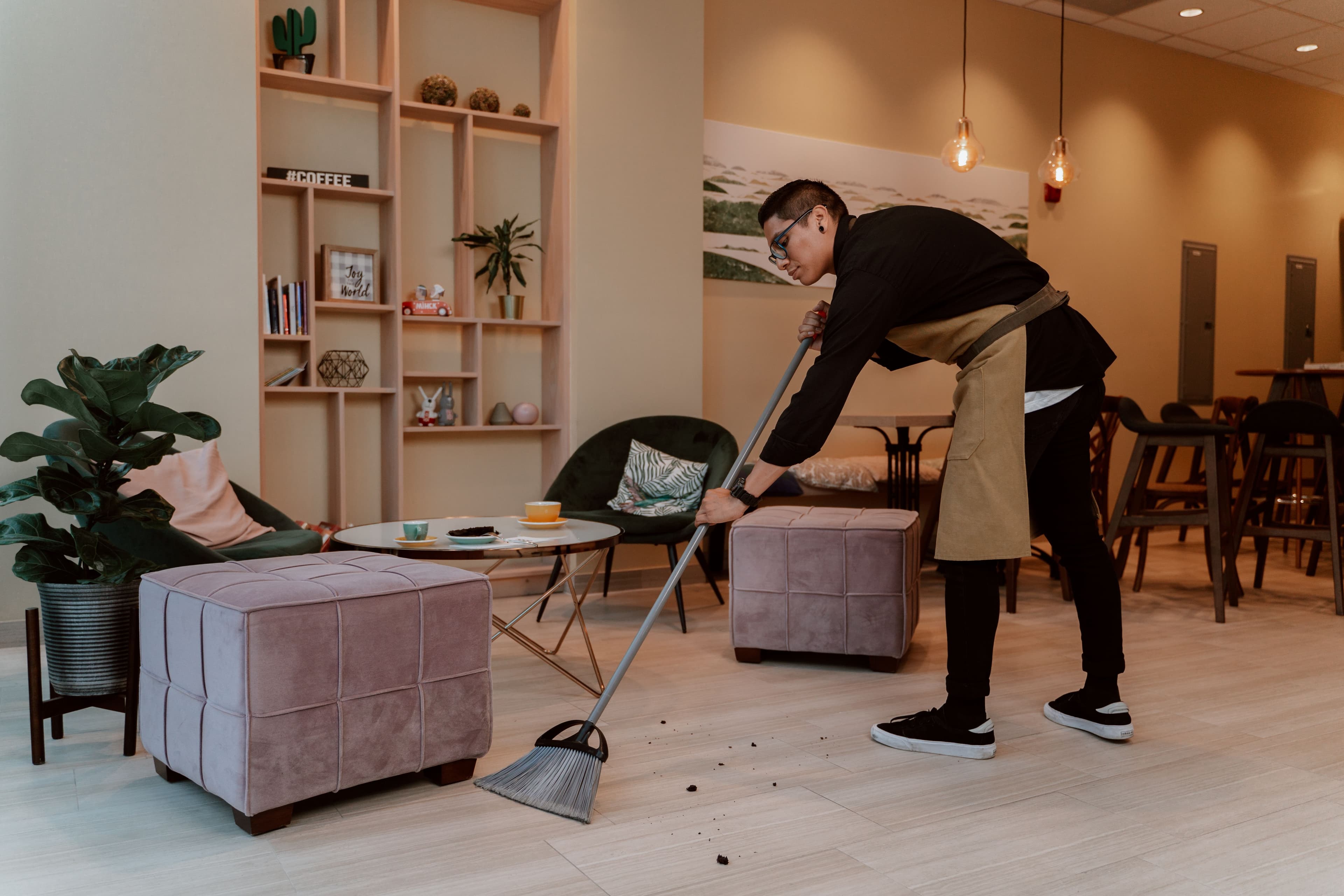
Escalation and conduct expectations where vulnerable people may be present.
Health and Safety PolicyHow Shinezone manages task, site and public safety controls.
COSHH PolicyControls for selecting, diluting, using and storing cleaning products.
Data Protection PolicyControls for minimising and protecting personal information connected to cleaning work.
FAQ
No. Shinezone provides property-cleaning services only and does not provide regulated care, medication support or personal care.
Yes, where the scope, working hours, access and resident-disruption controls are agreed.
Only property, access and risk information needed for cleaning should be shared. Resident diagnoses or medical histories are not required.
Priority turnaround can be requested, but attendance depends on access, condition, location, staffing and equipment.
Staff report concerns through the agreed route and do not investigate or make care decisions.
Request a quotation
Provide information about the property, access, condition, preferred dates and known hazards. Shinezone will review the request before confirming the scope, quotation and attendance.